 delishing
How to Boil Beef for Unparalleled Tenderness

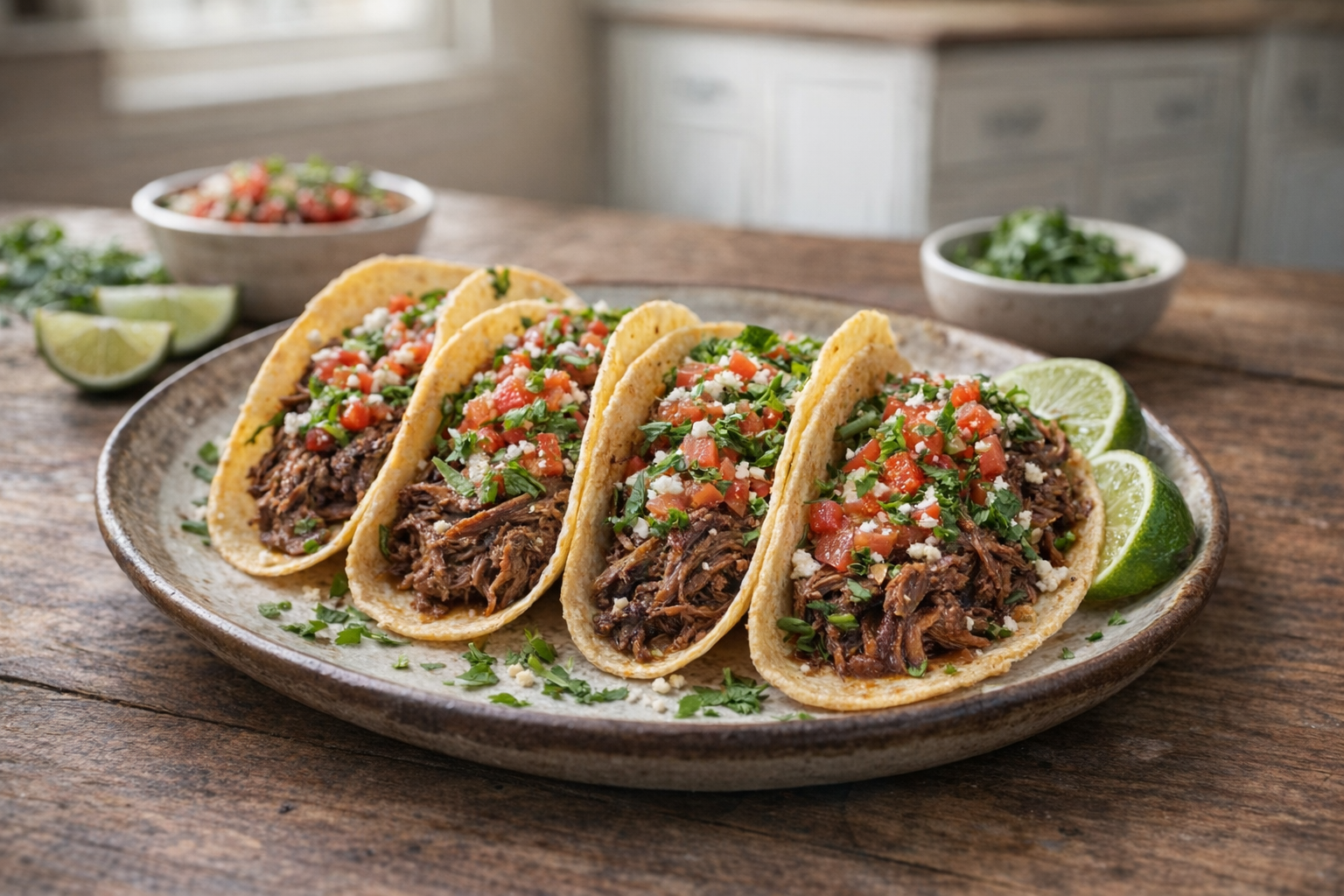
Introduction: Boiling beef, when done right, transforms tough cuts into remarkably tender and flavorful components for a variety of dishes. The key is understanding the process – not just dumping meat into water, but coaxing out the rich, savory essence locked within the beef fibers. This method, often overlooked, is the foundation for hearty stews, flavorful soups, and incredibly succulent shredded beef. The gentle simmering renders the connective tissues, leaving you with a texture that's almost impossible to achieve with quicker, high-heat methods.
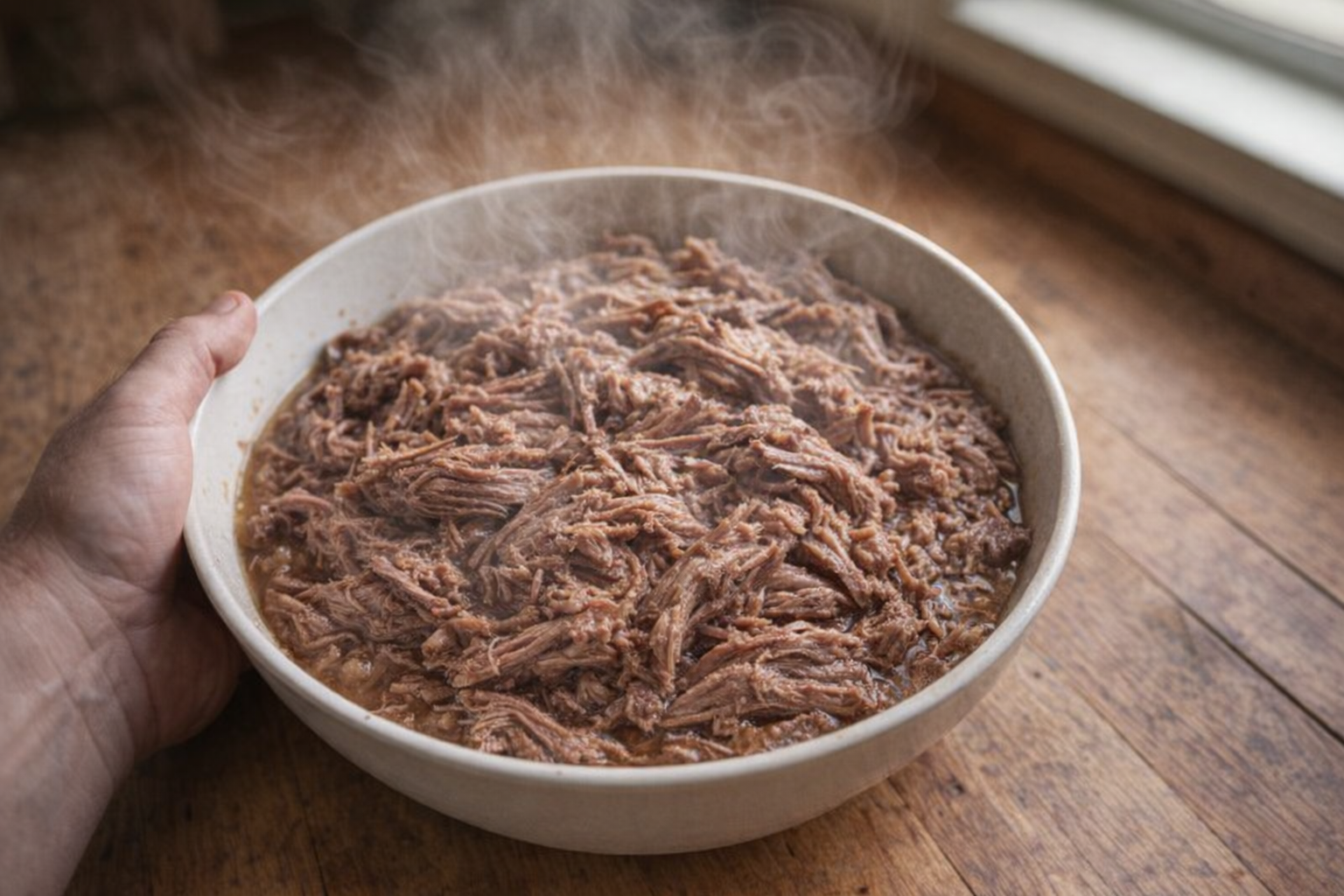
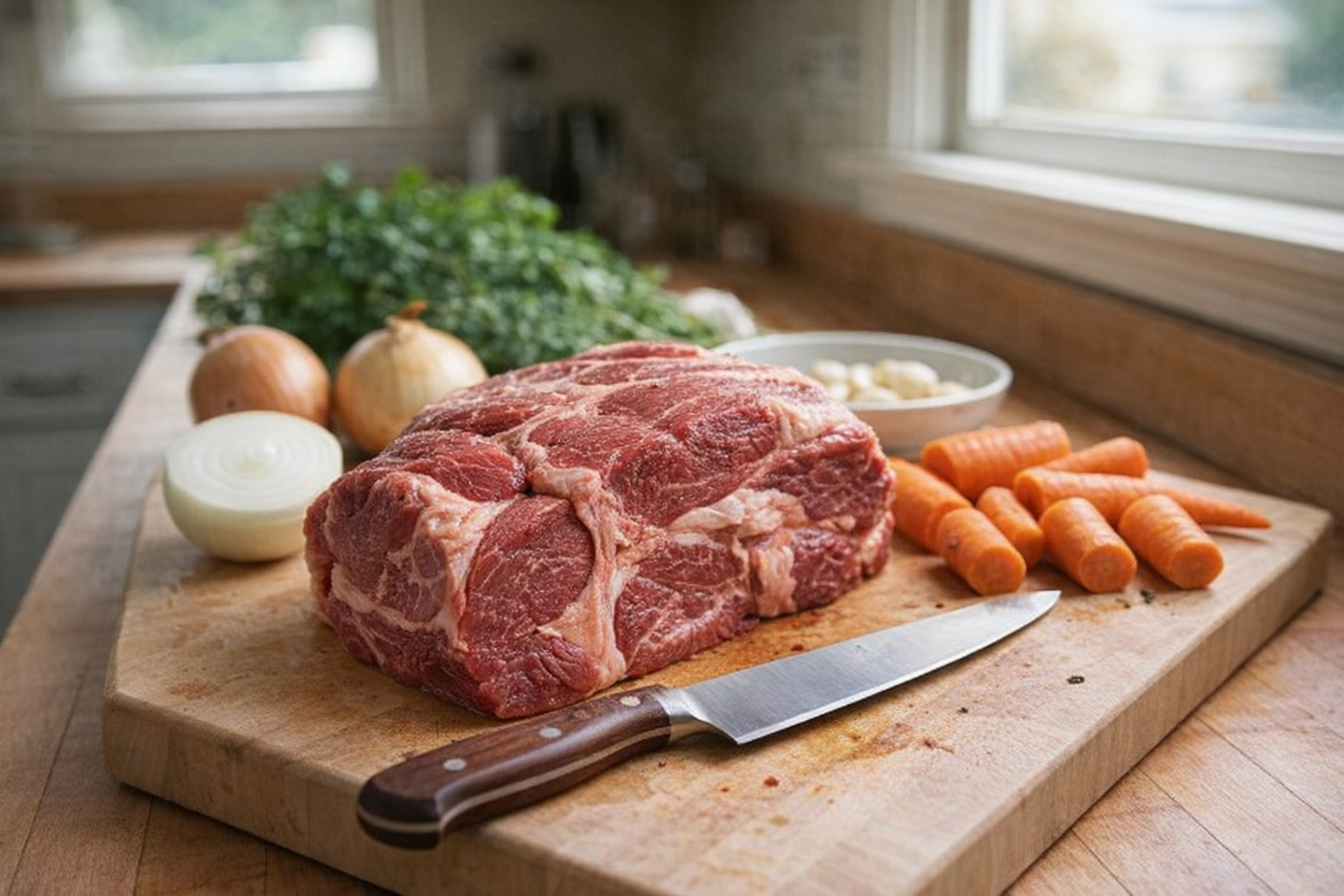
Understanding Beef Cuts: Choosing the right cut is paramount for successful boiled beef. Opt for tougher, more economical cuts like brisket, chuck roast, or even stew meat. These cuts are rich in collagen, which breaks down during the long, slow simmering process, resulting in a melt-in-your-mouth tenderness. Look for cuts with good marbling (flecks of fat within the muscle), as this will contribute to a richer, more flavorful result. Avoid leaner cuts like sirloin or tenderloin, as they will become dry and stringy when boiled. When purchasing, ensure the beef is a vibrant red color and has a fresh, clean smell. Avoid any meat that looks brown or has an off odor.
Why Cook Beef This Way?
- Versatility: Boiled beef can be used in countless recipes, from comforting stews to flavorful tacos.
- Flavor Infusion: The simmering process allows the beef to absorb flavors from the cooking liquid, creating a deeply savory dish.
- Convenience: Boiling requires minimal active cooking time, making it ideal for busy weeknights.
Essential Tools
- Large, Heavy-Bottomed Pot: A Dutch oven or stockpot is ideal for even heat distribution. We use a heavy-bottomed pot to prevent scorching and maintain a consistent simmer.
- Sharp Knife: For trimming and cutting the beef into uniform pieces.
- Tongs: For safely handling the beef in hot liquid.
- Ladle or Skimmer: To remove any scum that forms on the surface of the water during cooking.
The Cooking Method(s):
Method 1: Traditional Boiling
Ingredients:
- 2 lbs (900g) beef chuck, brisket, or stew meat, cut into 2-3 inch chunks
- 8 cups (2 liters) water, plus more as needed
- 2 tsp (12g) kosher salt
- 1 tsp (3g) black peppercorns
- 1 large onion, quartered
- 2 carrots, roughly chopped
- 2 celery stalks, roughly chopped
- 2 cloves garlic, smashed
- 1 bay leaf
- Place the beef chunks in the large pot. Add the water, ensuring the beef is completely submerged. If needed, add more water.
- Add the salt, peppercorns, onion, carrots, celery, garlic, and bay leaf to the pot. The aroma of the aromatics will begin to fill the kitchen.
- Bring the water to a boil over high heat. Keep a close watch to prevent boil-over.
- Once boiling, immediately reduce the heat to the lowest setting to maintain a gentle simmer. The water should barely bubble.
- Cover the pot tightly with a lid. This helps retain moisture and heat.
- Simmer for 2.5-3 hours, or until the beef is fork-tender. Check occasionally and skim off any foam or scum that rises to the surface. The liquid will reduce slightly, and the beef will become increasingly tender.
- Remove the beef from the pot using tongs or a slotted spoon. Discard the vegetables and bay leaf.
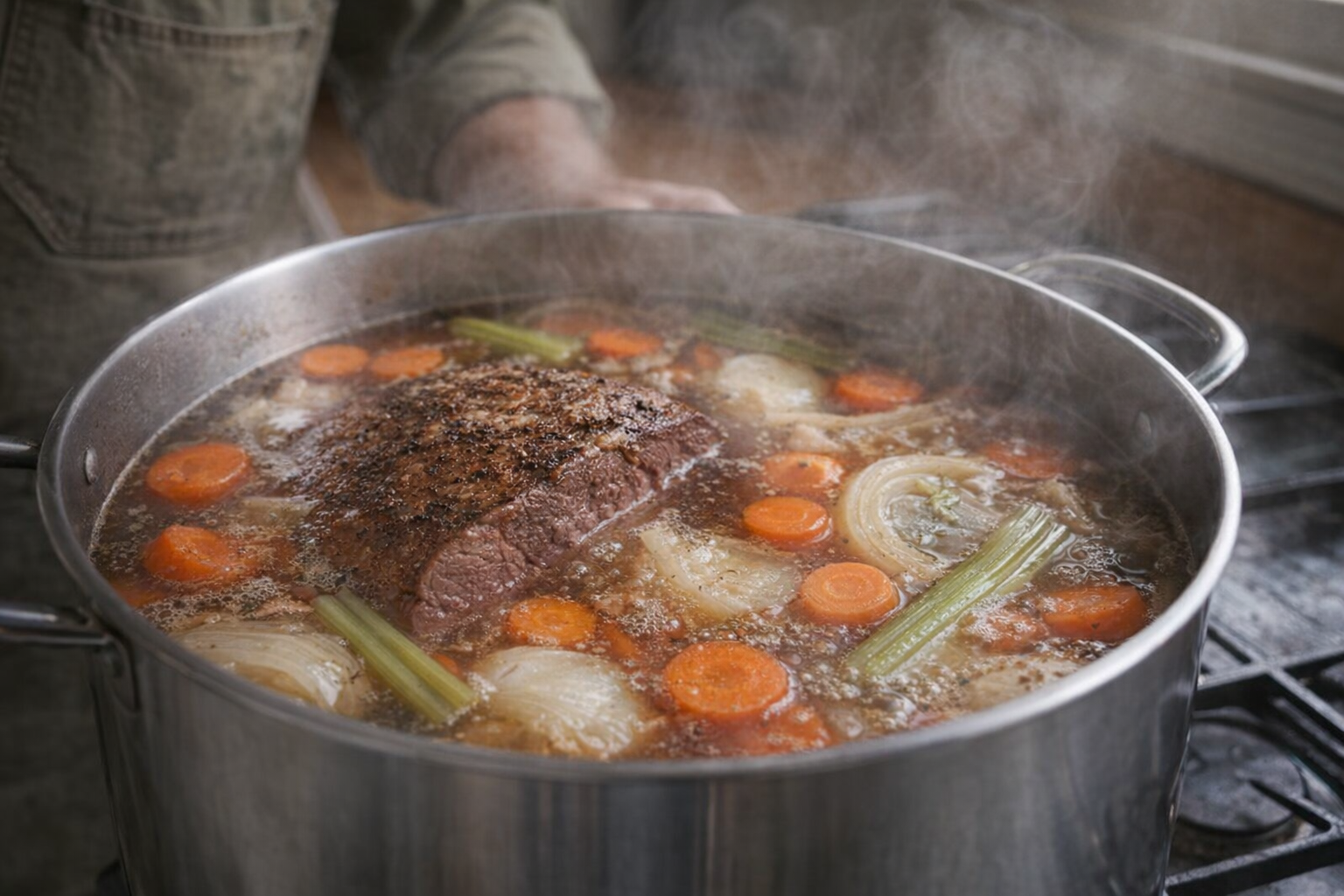
Cooking Time & Doneness Guide: Total cooking time typically ranges from 2.5 to 3 hours, depending on the size and cut of the beef. Internal temperature is not critical for boiled beef, as the goal is tenderness, not a specific level of doneness.
Visual Cues: The beef is done when it is easily pierced with a fork and the fibers readily separate. The color will have changed from raw red to a dull grey-brown.
Tips for Perfection
- Don't overboil: A gentle simmer is key to preventing the beef from becoming tough.
- Skim frequently: Removing the scum that forms on the surface ensures a cleaner-tasting broth.
- Use enough water: Make sure the beef is always fully submerged in water to cook evenly.
- Season generously: Don't be afraid to add more salt or other seasonings to the water for a more flavorful result.
Storage & Reheating
Allow the boiled beef to cool slightly before storing it in an airtight container in the refrigerator. Store the beef in the cooking broth to prevent it from drying out. Boiled beef can be stored in the refrigerator for up to 3-4 days. To reheat, gently warm the beef in the broth over low heat on the stovetop or in the microwave. Avoid overheating, as this can make the beef tough.
Serving Suggestions
- Shredded Beef Tacos: Toss the shredded beef with your favorite taco seasonings and serve in warm tortillas with your desired toppings.
- Beef and Barley Soup: Add the boiled beef to a hearty beef and barley soup with vegetables and herbs.
- French Dip Sandwiches: Slice the boiled beef thinly and serve on crusty rolls with a side of the cooking broth for dipping.
- Beef Pot Roast: Use the boiled beef as the base for a classic pot roast, adding potatoes, carrots, and onions to the pot during the last hour of cooking.
💡 Pro Tips
- Select collagen-rich cuts like brisket or chuck roast to ensure the meat becomes tender rather than dry during the boiling process.
- Maintain a very gentle simmer instead of a rolling boil to prevent the muscle fibers from tightening and becoming rubbery.
- Enhance the flavor of the meat by adding aromatics like onions, peppercorns, and bay leaves to the water before simmering.
- Use a spoon to skim off any foam that rises to the top during the initial stages of cooking to ensure a clean, pure taste.
- Let the beef rest in its cooking liquid for at least ten minutes after boiling to help it reabsorb moisture and stay juicy.
Frequently Asked Questions
Yes, you can adapt this recipe for a slow cooker. Sear the beef as directed, then place it in the slow cooker with the vegetables and enough liquid to cover. Cook on low for 6-8 hours, or until the beef is very tender.
If you don't have a Dutch oven, a large, heavy-bottomed stockpot will work just fine. The key is to use a pot that can distribute heat evenly to prevent scorching and maintain a consistent simmer throughout the cooking process.
Leftover boiled beef can be stored in an airtight container in the refrigerator for up to 3-4 days. Ensure the beef cools down completely before refrigerating it to prevent bacterial growth.
Absolutely! Feel free to experiment with different herbs and spices to customize the flavor of your boiled beef. Bay leaves, peppercorns, garlic cloves, and sprigs of thyme or rosemary are all excellent additions to the cooking liquid.